Why Your Team Is Underperforming(And It's Not a Skills Problem)
Talented people, zero alignment, maximum frustration. The gap isn’t talent — it’s capacity, and it’s collective.
By Freddie Scott II
Founder, Unlock The Champion
Same roster. Same resources. The difference is capacity.
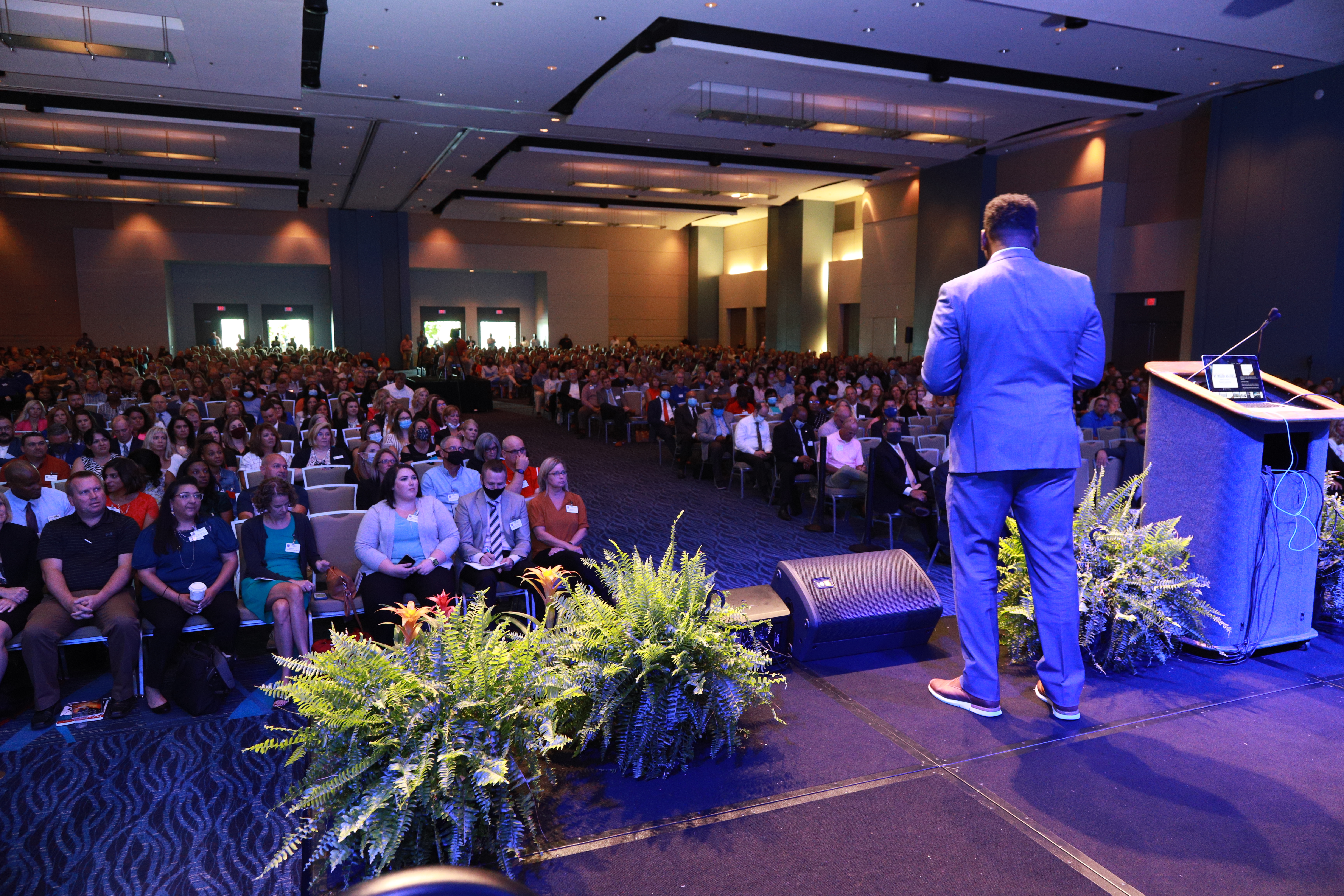
In NFL locker rooms and corporate boardrooms, I keep running into the same problem wearing different clothes: talented people, zero alignment, maximum frustration.
A roster full of Pro Bowlers finishing near the bottom of the standings. A leadership team of individually impressive people producing well below what they’re capable of — together. The instinct is always the same: add more talent, run another off-site, roll out a new program. Six months later, the same team is having the same conversation with a slightly updated slide deck.
The pattern repeats because the diagnosis is wrong. You don’t have a skills problem. You have a capacity problem — and it’s collective, not individual. Skills make people more competent. Capacity makes teams more powerful.
The locker-room-to-boardroom parallel
Move between professional sports and corporate headquarters long enough and you stop seeing two different worlds. The language is different. The stakes feel different. The dysfunction is identical.
When a high-talent team underperforms, the front office panics — fires the coordinator, trades for another weapon, throws money at it. Corporate teams do the same thing: hire a consultant, restructure the org chart, send everyone to a workshop. But the problem was never the talent. It was the alignment between the people holding it. You’re treating a capacity problem with skills solutions — and skills solutions don’t close capacity gaps.
“
You don’t have a skills problem. You have a capacity problem.
The Founder's Desk · Freddie Scott II
How team capacity actually gets built — in order
Most team-building starts in the middle and wonders why nothing sticks. Capacity is built in order: individual clarity first, then a shared language, then collective alignment, then sustained growth.
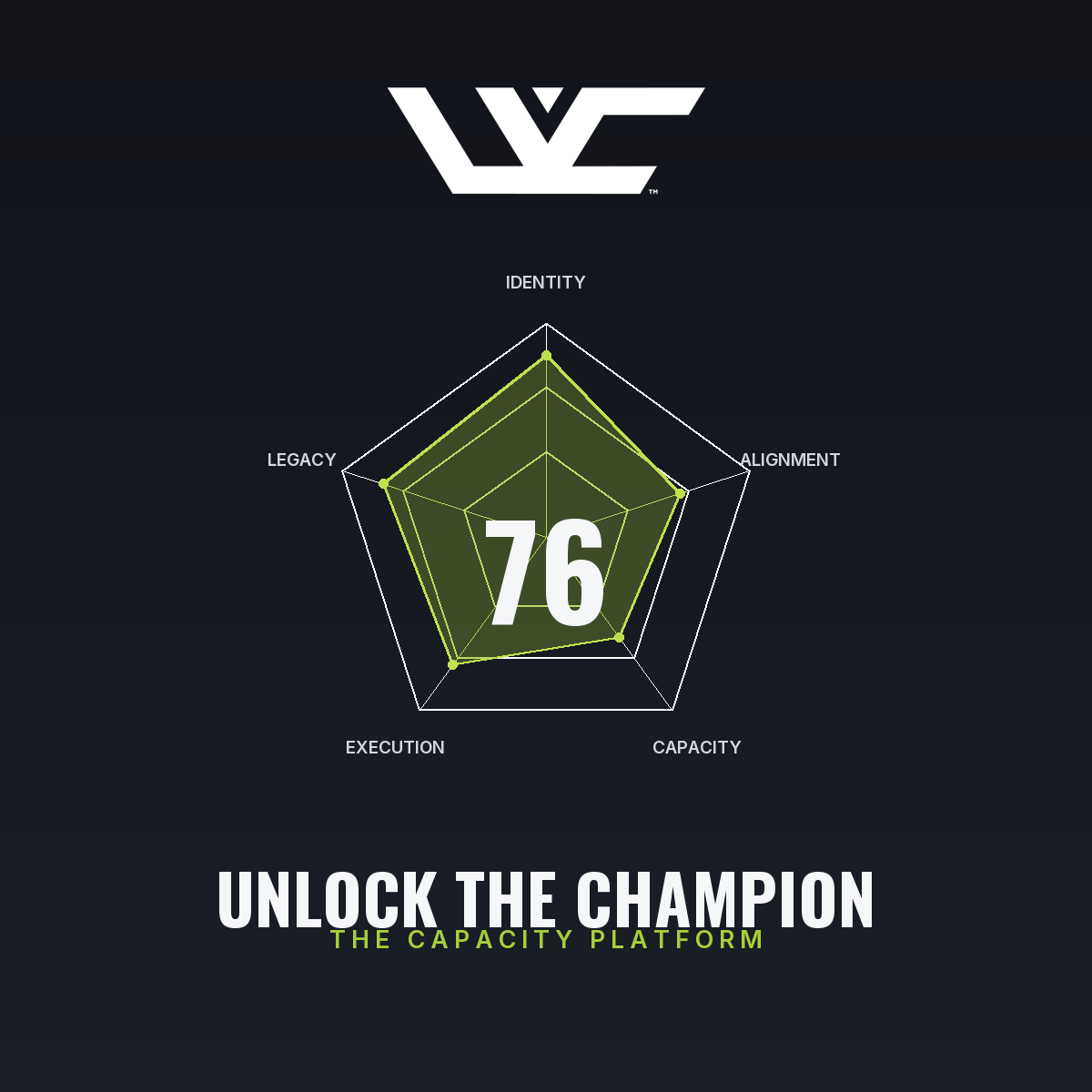
Individual clarity, first. Before a team can align, each person needs to know who they are under pressure — not their title, but their identity, values, and defaults. Everyone takes the Capacity Read across the five areas, and sees their own gaps first.
Then shared language. Once individuals have clarity, the team needs a common vocabulary for what matters. When everyone understands what “alignment” or “execution” actually means, conflict becomes productive instead of political and feedback becomes specific instead of vague.
Then collective alignment. Shared values, expectations, and accountability — co-created from within, not imposed from above. When a team builds its own operating agreements, buy-in stops being a problem because the system belongs to the people inside it.
And finally, sustained growth. Most interventions are events; people revert within weeks. Lasting growth needs measurement — regular pulse checks and a rhythm that keeps the work alive between the big moments, so the team keeps growing instead of quietly drifting back.
IdentityAlignmentCapacityExecutionLegacy
5 signs your team has a capacity problem
Not sure if this is you? These are the patterns that show up most often in underperforming groups:
High talent, low trust. Individually excellent, collectively cautious. The real decisions happen in side conversations after the meeting.
Recurring conflict with no resolution. The same tensions resurface on different topics — a sign the root is an unnamed values or emotional pattern, not the issue being argued.
Initiative fatigue. So many “new approaches” that change itself gets eye-rolls. They’ll comply with the program; they won’t change behavior.
Siloed excellence. Departments shine in isolation but cross-functional work is a grind. The whole is less than the sum of its parts.
Leadership dependency. It works when the senior leader is in the room and stalls when they’re not — the team is borrowing the leader’s capacity instead of building its own.
If three or more sound familiar, your team doesn’t need another skills program. It needs a capacity intervention.
Talent compounds when it’s aligned
Same people. Same resources. Different capacity.
What a team deployment looks like
It runs on a simple, repeatable rhythm every quarter. Five areas measured, about fifteen minutes to a baseline.
First 30 days — every team member completes the Capacity Read. Leaders get a team-level dashboard showing where the collective gaps live, and the conversation shifts from “who’s underperforming” to “where is the system underbuilt.”
By day 60 — the team has shared language and co-created operating agreements. Long-recycling conflict patterns start resolving — not because people are suddenly nicer, but because they finally have the words and self-awareness to address root causes instead of symptoms.
By day 90 — the gaps are visible and closing. Because capacity is re-measured each quarter, the growth shows up as a number you can take to your leadership — not just a feeling that things are better. Same people. Same resources. Different capacity. Nothing on the roster changed — what changed is the structure that lets the talent compound instead of cancel out.
The question every leader needs to ask
Whether you lead five people or five hundred, ask yourself: Am I investing in my team’s skills, or their capacity? Those are two different investments with two different returns. In a world where the problems are getting more complex and more human, capacity wins every time.
Your team doesn’t need another training module. They need a way to grow from the inside out — individually and collectively — so talent finally compounds instead of cancels out. It starts with one honest read: the free Capacity Read.
A note from Freddie
“I’ve stood in locker rooms full of Pro Bowlers who couldn’t win, and boardrooms full of brilliant people producing well below what they’re capable of together. The talent was never the problem. Start with yourself — then build the capacity your team is missing.”
Freddie Scott IIFormer NFL pro · NFL Certified Transition Coach · Founder, Unlock The Champion · Author of Made for More
“
You can’t build team capacity with a workshop. You build it with a system.
The Founder's Desk · Freddie Scott II
Your move
You don’t need a reorg to start. Take the free Capacity Read yourself — see your own five areas before you ever bring it to your team. Start with yourself. Then build your team.
If this is true for one person, it’s true for your whole roster. See it across your team with a team capacity assessment — or bring The Pride to the individuals who lead it.
The Pride is every leader, coach and builder who decided their team is bigger than the moment. If this named something you’ve been feeling — pass it on. A leader you know is running another workshop when they need to build capacity instead.